Oil Field Testing
Water
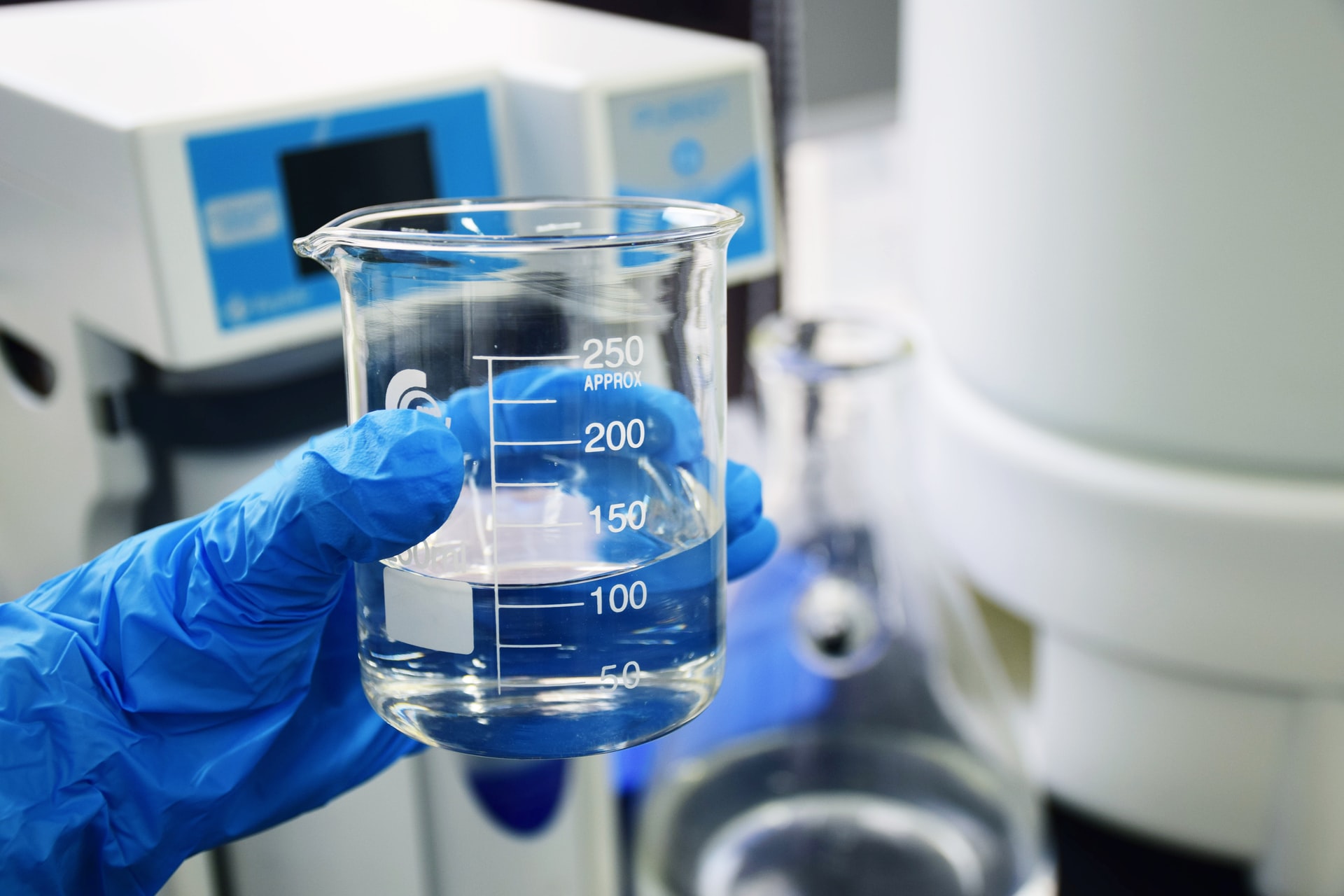
Our typical analysis includes the major cations and anions along with the specific gravity, H2S, TDS (calculated, but can also do by evaporation), pH, and resistivity. Furthermore, scaling tendencies and corrosiveness can be determined.
We can also perform testing on the amount of:
– Oil in water
– Hydrocarbon in water
– Oil and Grease
– TPH
– BTEX
There are numerous other constituents that can be tested in water. Please contact us for additional information and pricing. Ion analysis are performed using ICP-OES for Cations and Ion Chromatography for Anions.
Crude Oil
– ASTM Distillation
– API Gravity
– % Paraffin
– % Asphaltenes
– Pour Point/Cloud Point
– Viscosity
– % Sulfur
– % Oil, water, solid breakout
– Foaming Tendency
– Deformer Effectiveness
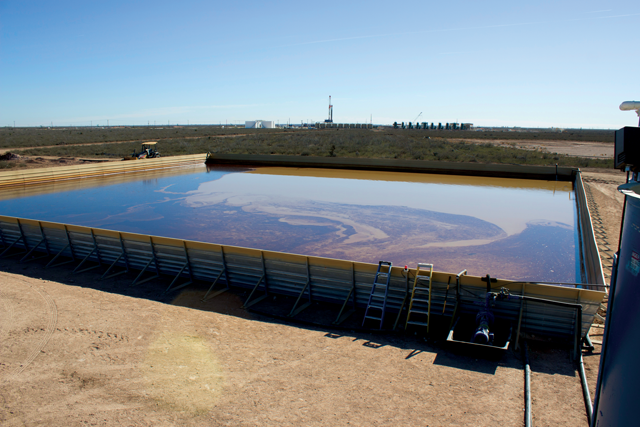
Recycled, Reclaimed, and Frac Water
Field Testing and Sampling

Compatibility
Chemical
Bacteria
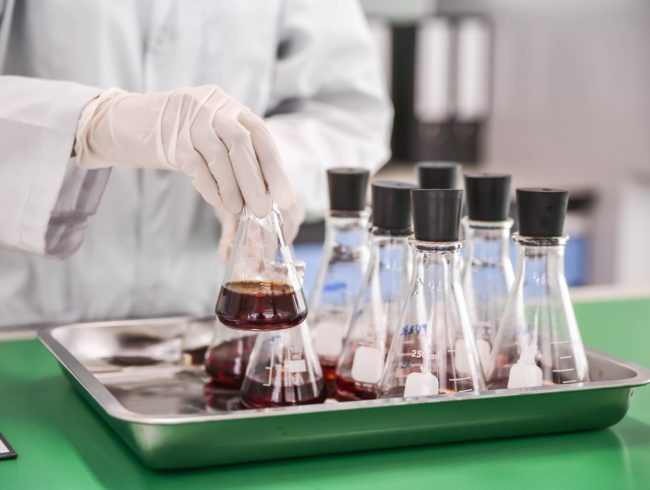
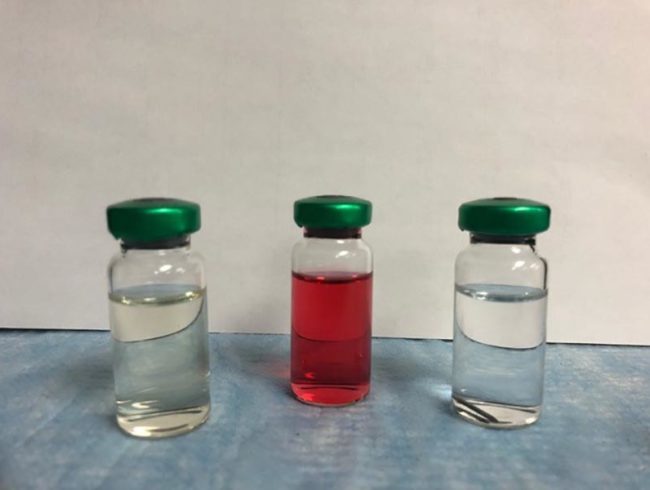
Several types of bacteria common to fresh and oilfield waters can be identified and counted. These include: sulfate reducing bacteria, iron bacteria, sulfur bacteria, fungi and acid-uric bacteria, general aerobes and anaerobes, and ATP Testing.
Identification of Waters
WE PROVIDE SAMPLE CONTAINERS
Solids
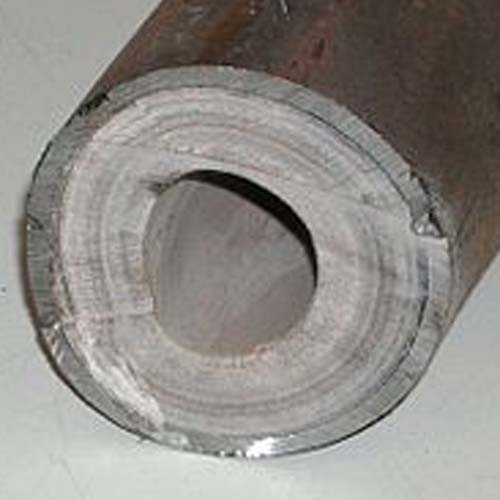
The potential for a water or combination of waters to scale in the form of calcium carbonate, calcium sulfate, or barium sulfate can be determined from a special analysis. Also, the corrosiveness of a water can be determined by certain characteristics revealed by the analysis. Beyond a typical solids deposit analysis, the solid can be digested further and be scanned on the ICP to identify singular ions present in the solid.